



































































Under heavy time pressure, the natural instinct in most organisations is to start building immediately. Teams spin up environments, draft timelines and begin cutting over early workloads in order to show progress. It creates the appearance of momentum, but it often masks a deeper issue: speed without clarity nearly always leads to delays, rework and risk later on.
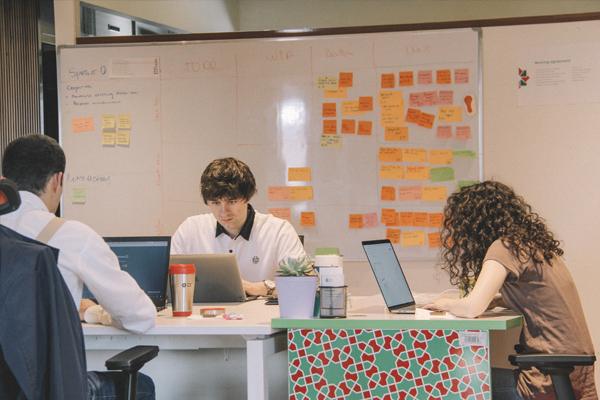
Hays took a different approach. The team deliberately paused and used the early phase of the programme to create a complete and honest understanding of the estate. This meant mapping every connection, every dependency, every hidden service and every system of record. It also meant defining the architectural principles that would guide all subsequent decisions.
This period laid the foundations for everything that followed. It created a shared understanding of what could be modernised immediately, what needed to move first, what required a more careful sequence and what guardrails could not be compromised under any circumstances.
As Simon said, they reminded each other regularly that you should “measure twice and cut once”. That mindset provided a sense of control at a time when the situation itself felt anything but controlled.