


































































AI is making software delivery faster which will likely be good news for organisations who want to ship products or deliver services to users. In the past, it has been the build phase that is usually the longest and most complex part of any digital delivery. But as delivery speeds up, it is exposing an organisational problem that the IT industry has been tackling for thirty years.
The Standish Group has tracked software project outcomes since 1994. One finding has barely moved in three decades is that poor requirements cause 39% of project failures. Better tools, frameworks and methodologies over that time have not shifted the finding. Will AI shift it, or will it simply make the consequences arrive faster for the user?
Gartner predicts that over 40% of agentic AI projects will be cancelled by the end of 2027 because organisations will be able to build the wrong thing faster than ever before.
Ensure understanding remains front and centre of projects
Questions such as what do users need, how should a service flow end to end and what problem needs to be solved will determine whether a project succeeds. AI coding tools don’t make these questions easier to answer but they do make it more urgent that we answer them well.
Previously when building something took weeks and we created it incrementally across sprints and the iteration created useful friction. Discovery happened to define the scope, enriched by research with users, and requirements were interrogated and refined because nobody wanted to waste time heading in the wrong direction.
The speed with which AI coding can happen now removes much of that friction. It’s possible for requirements to become a working prototype in hours. In practice, that could mean a misunderstood requirement can become a built product before anyone has had time to question it.
Gartner describes AI generated code as ‘syntactically correct but lacking awareness of broader system architecture and nuanced business rules. It builds what it is told, not what is needed.’ So the teams that will get the most from AI-assisted development are the ones who are clearest about what they are asking it to build, with that clarity coming from research, design, analysis and mapping the service end to end before a line of code is written. Those disciplines matter even more now.
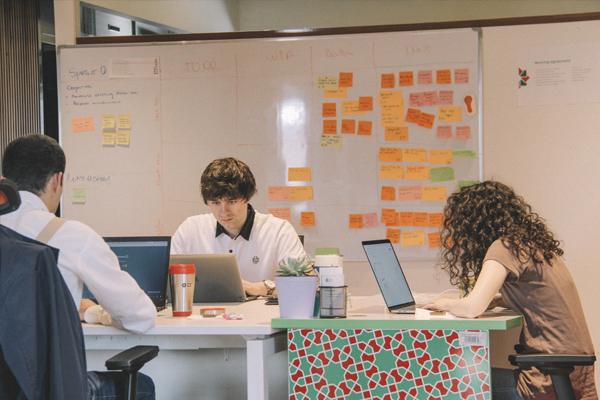
Our engineering teams are building with AI tools and seeing real gains in delivery speed. Our Transformation Design Group works alongside them: user researchers talk to real users before assumptions become embedded in code, designers map journeys end to end, product managers hold the product vision and scope, BAs make requirements precise enough to build from and service designers make sure a change in one part of the service does not inadvertently break another. Together, they do the work that determines whether that development speed is pointed at the right problem.
Organisations who invest in AI but also invest in the people who know what to build before the AI starts will be the ones who see the benefits for the services and products they deliver.